Parents search for alien movies for kids that feel safe and fun. This expanded guide gives clear, practical criteria for age-appropriate picks and concrete steps to use when deciding what to watch. It covers gentle films and short-form options for toddlers, lively but non-threatening adventures for school-age children, and transitional choices for preteens. The goal is to help parents choose films that match mood, length, themes, and family values while keeping safety and enjoyment as priorities.
Key Takeaways
- Parents select alien movies for kids by considering ratings, reviews, previews, and setting clear viewing rules to ensure safety and enjoyment.
- Matching film length to the child’s age helps maintain attention, with shorter movies or episodes for toddlers and longer adventures for older children.
- Choosing movies with friendly aliens and positive themes encourages empathy and minimizes fear among young viewers.
- Watching trailers together and discussing feelings before and after viewing strengthens understanding and confidence.
- Prioritizing films that promote cooperation, curiosity, and calm resolutions creates a fun, family-friendly movie experience.
How To Choose Age-Appropriate Alien Movies For Your Child
Parents pick alien movies for kids by checking four simple points. First, check the rating and read the official content descriptors so you know why a title received its rating. Ratings give a quick signal about language, violence, scary images, or mature themes, but descriptors explain whether a film has brief cartoon spats or more intense conflict. Second, read a few short reviews aimed at parents or family audiences to learn about tone, pacing, and likely scares. Third, preview key scenes yourself — either by watching a short clip or scanning a streaming preview — to confirm the visuals and music align with your child’s tolerance. Fourth, set clear viewing rules in advance: how long to watch, when to pause, and what to do if a scene feels too intense.
Match film length and structure to attention span. For ages 2–5, choose short films, anthologies, or episode-based shows with clear breaks so kids can stop when they get restless; keep overall screen time short and intersperse activity breaks. For ages 6–9, look for 60–90 minute movies with straightforward plots, friendly characters, and quick resolution of conflict. For ages 10–13, children can handle longer stories and slightly more complex themes, but prefer films that emphasize teamwork, problem solving, and emotional growth over graphic conflict. When deciding, consider whether your child does better with a single sitting or prefers multiple shorter viewings.
Evaluate emotional stakes and content flags beyond the rating. For younger children, prioritize friendly alien characters, humor, and clear cues that dangerous situations are resolved safely. Avoid films that rely on jump scares, grotesque creatures, or prolonged suspense. For older children, mild tension and themes about belonging, curiosity, and cooperation can be beneficial if there are calm resolutions and role models who model problem solving. Watch for specific content that might be upsetting to your child — loss, abandonment, medical scenes, or intense peril — and decide whether to preview or skip those elements.
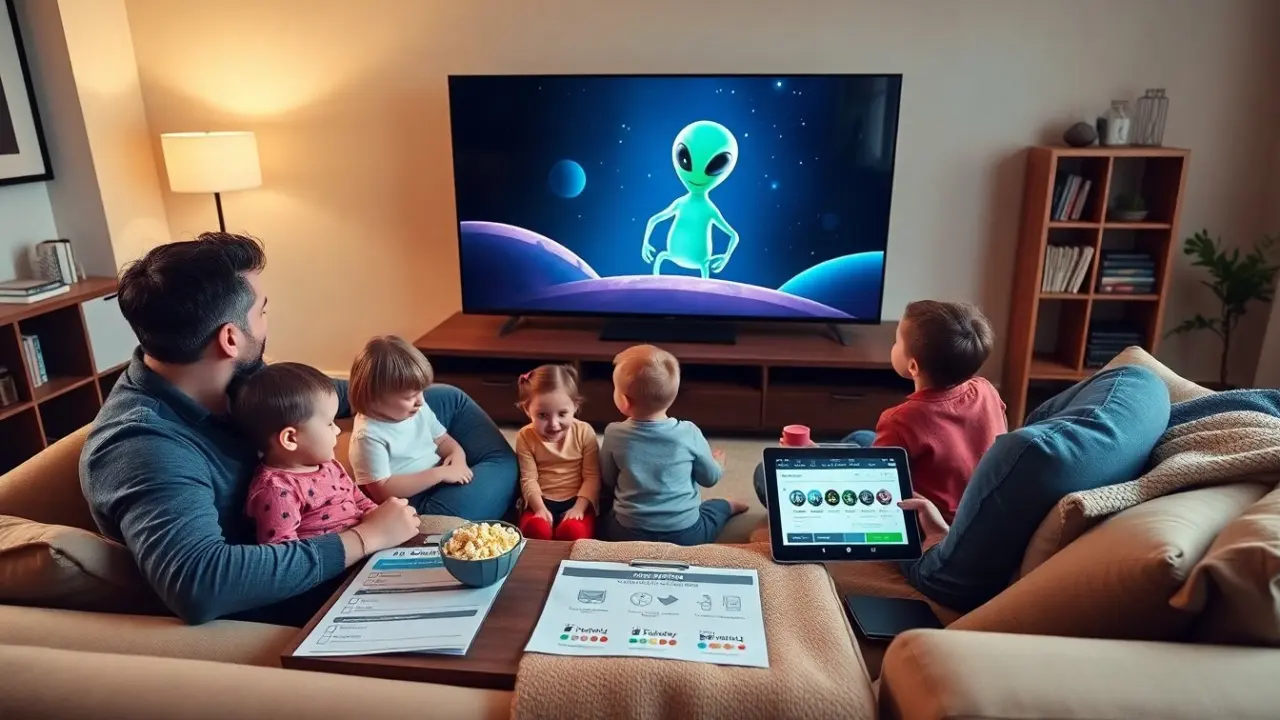
Use practical viewing strategies to make movie time supportive and educational. Watch trailers with your child so they can say what looks fun or scary; this gives you a chance to reframe or reassure before the film starts. Talk about what aliens might feel, why they behave differently, and ask your child to imagine kind responses. During viewing, be ready to pause and explain a confusing or frightening scene. After the film, ask open questions such as “What did you like about the alien character?” or “Was there a part that made you worried?” Use answers to validate feelings and highlight positive themes like cooperation and curiosity.
Build cues and routines that help younger viewers cope. Have a comfort item, a low-light lamp, or a short “cool down” activity ready if a scene becomes intense. For siblings with different ages, consider watching together only when the content suits the youngest child, or plan a family movie rotation where older kids pick a title separately. If a movie raises questions about science or space, extend the experience with related activities: a simple craft, a picture book about space, or a calm conversation that emphasizes learning and imagination.
When in doubt, favor shorter, gentler options or split viewing into two sessions so children can process content gradually. Keep an eye out for films that emphasize empathy, problem solving, and teamwork — these themes make alien movies for kids more than just entertainment: they become tools for conversation and emotional learning. Use these checks consistently to build a safe, enjoyable movie routine that matches your child’s age and temperament while keeping the whole family engaged.