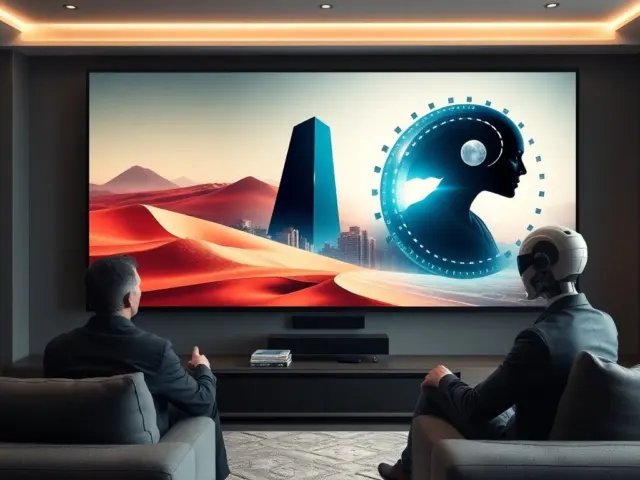
The best sci fi books list helps readers find strong science fiction fast. It shows classics, recent hits, and entry points. The list ranks books by influence, craft, and reader impact. It helps readers pick books that match their taste. It aims to guide readers to the best sci fi books for lasting enjoyment and fresh discovery. Below we give more context about how selections were made, what to expect from different eras, and how to choose the right entry point depending on your interests and reading habits.
Key Takeaways
- The best sci fi books list guides readers to influential and well-crafted classics as well as modern hits that reflect current trends.
- Classic sci fi books shaped the genre with major themes like space travel and social futures, offering enduring insights and memorable storytelling.
- Contemporary sci fi combines strong character development with themes like climate change and AI, showcasing diverse voices and fresh perspectives.
- Hard sci fi and speculative thrillers appeal to tech fans by delivering precise science, logical consequences, and fast-paced plots.
- Choosing the right sci fi subgenre depends on reader preferences, whether for idea-driven stories, thrilling action, social themes, or diverse narratives.
- This carefully curated list balances timeless works with new voices to help readers discover the best sci fi books for lasting enjoyment.
How We Chose These Books (Criteria For Selection)
Selection used clear criteria. The team judged each book on influence, writing quality, and ideas. They checked awards, reader ratings, and long‑term impact. They weighed cultural reach and the book’s ability to spark thought. They valued variety in tone, pace, and theme. They aimed to include the best sci fi books that shaped the field and the best sci fi books that reflect current trends. They balanced classics with recent works to give readers a broad view of the best sci fi books available now.
More specifically, we applied these practical filters when considering titles:
- Concept strength: Does the central idea drive the narrative and invite questions?
- Craft: Is the prose, structure, and character work strong enough to sustain rereading?
- Durability: Has the book continued to be read, taught, or cited beyond its initial release?
- Accessibility: Will new readers find an entry point, whether through clear plotting or engaging characters?
- Diversity of form: Do the selections represent short fiction, novels, near‑future and far‑future work, and a range of tones?
We prioritized books that meet multiple criteria rather than those that excel in only one area. The result is a list that highlights the best sci fi books across eras and tastes.
Must‑Read Classics That Shaped Science Fiction
Classics set the bar for later writers. Each classic on this list changed how authors write and how readers think. They introduced major themes such as space travel, altered minds, and social futures. They also taught readers to expect high ideas and careful craft. Readers who start with these classics will find the roots of many modern plots. The list highlights the best sci fi books that shaped the genre and that still reward new readers with clear vision and memorable scenes.
When approaching classics, consider reading with two goals: to experience influential storytelling and to notice which ideas reappear in later work. Classics often reward patience—plots and worldbuilding may unfold slowly compared with some contemporary novels, but the payoff is in the precision of concept and the legacy of the themes. For readers building a foundational shelf of the best sci fi books, include at least one work focused on large social issues, one that prioritizes speculative technology, and one that emphasizes human psychology.
Standout Classic Picks And Why They Endure
Many classics remain readable because they blend idea and story. One book offers a clear moral question and strong characters. Another book pairs bold plotting with careful world detail. A third book uses scientific premise to test social norms. These books remain on lists of the best sci fi books because they change how readers see technology and power. Readers return to them for the craft and the questions they raise. They also return because the books still move the reader on first principles of story and idea.
To get more out of classics, try these reading strategies:
- Read slowly and annotate: note recurring motifs and how the speculative premise affects character choices.
- Contextualize historically: consider the social and scientific assumptions at the time of publication to see why certain ideas were revolutionary.
- Pair readings: read a classic alongside a modern critique or contemporary novel that riffs on the same themes to observe evolution within the genre.
Contemporary Masterpieces (2000s–2020s)
Modern writers expanded scope and voice. They mixed science ideas with strong character work. They explored climate, AI, biotech, and social change. They also opened space for diverse narrators and new forms. These recent books join earlier classics on lists of the best sci fi books for their risk and clarity. They show that science fiction can treat feeling and data with equal care. They offer fresh plot moves and modern concerns while keeping the reader engaged with clear stakes and strong prose.
Contemporary masterpieces often do several things at once: develop sympathetic, complex protagonists; ground speculative elements in plausible science or social logic; and address present‑day anxieties without losing sight of storytelling momentum. Many also experiment with structure or voice, so readers should be prepared for novels that ask for active engagement. For readers assembling a modern reading list of the best sci fi books, look for works that balance emotional depth with conceptual ambition.
New Voices And Diversity In Modern Sci‑Fi
New writers brought fresh perspectives to the genre. They include authors from different countries and backgrounds. They write about identity, migration, and cultural change with scientific frames. These books rank among the best sci fi books because they expand the genre’s subject matter. They also broaden reader empathy and curiosity. They prove that science fiction can host many voices. Readers who want new angles will find the best sci fi books from these authors both challenging and rewarding.
To deepen your modern reading, consider rotating between authors from different regions and traditions. That approach highlights how cultural context reshapes common sci‑fi concerns—technology, ecology, or governance—and it prevents a reading habit from getting stuck in a single mode or outlook.
Speculative Thrillers And Hard Sci‑Fi For Tech Fans
Tech readers often prefer tight plots and clear rules. Hard science fiction delivers precise science and logical consequence. Speculative thrillers deliver fast pace and high stakes. Both forms rank among the best sci fi books for readers who like clear causal chains. These books often test plausible tech and then show results. They reward readers who like problem solving and strong pacing. The list includes titles that pair rigorous idea work with readable plotting to satisfy tech‑minded readers.
When choosing between hard sci‑fi and speculative thrillers, consider what you value most: detailed scientific plausibility or escalating tension and plot twists. Some books offer both; others lean heavily to one side. For readers who enjoy dissecting systems, pay attention to how the narrative treats constraints and tradeoffs—good tech‑oriented fiction will make the implications of an invention or discovery evident and consequential.
How To Pick The Right Sci‑Fi Subgenre For You
Readers should match book tone to mood and interest. If a reader wants ideas and careful science, then try hard science fiction. If a reader wants fast thrills and tense scenes, then choose a speculative thriller. If a reader wants social thought and character study, then pick a literary or near‑future title. If a reader wants emotional depth and fresh voices, then choose contemporary works by diverse authors. These tips help readers find the best sci fi books that fit their appetite and reading speed.
Practical tips for building a personal “best sci fi books” reading list:
- Start with a short work or a shorter novel in a subgenre you think you like; it reduces upfront time investment.
- Mix eras: one classic, one contemporary, and one hard/speculative pick keeps variety and perspective.
- Read reviews and sample a chapter before committing—prose style can be a dealbreaker.
- Join a reading group or online discussion to deepen appreciation and hear alternate takes on puzzling ideas.
- Revisit favorites after reading related works; many sci‑fi novels reveal new layers on a second read.
Following these guidelines will help readers curate a durable, enjoyable selection of the best sci fi books tailored to their interests and reading habits.