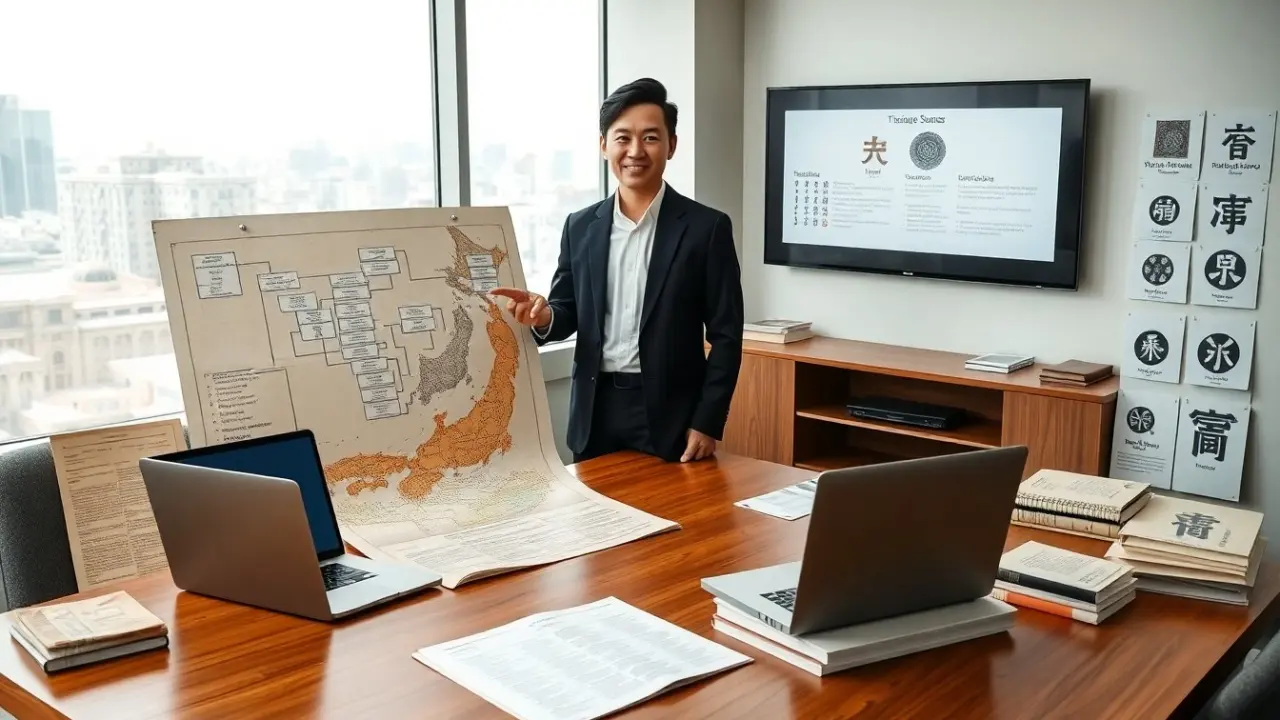
japanese clan names show family origin and social role. The names often come from geography, occupation, or hereditary titles. This guide explains how clan names formed, what they mean, and which lineages shaped Japanese history. It uses clear examples and short explanations. It avoids jargon and gives practical details for readers who study genealogy or history.
Key Takeaways
- Japanese clan names often originate from geography, occupation, or hereditary titles, reflecting family origin and social roles.
- Many clan names include place names or titles that indicate land holdings, court ranks, or military roles, making the primary keyword “japanese clan names” directly relevant.
- The Meiji era formalized clan names with fixed surnames, standardizing many family names still in use today.
- Famous clans like Fujiwara, Minamoto, and Tokugawa profoundly influenced Japanese history and politics through their distinctive clan names.
- Regional variations affect the kanji and pronunciation of clan names, showing how local culture shaped the evolution of these names.
- Modern genealogists link current surnames to historical clans using records, making japanese clan names essential for tracing ancestry and understanding social changes.
How Japanese Clan Names Formed And What They Mean
Japanese clan names developed over centuries. Local lords, court families, and warrior houses chose names to show land, office, or ancestry. Many families took names from the places they ruled. Others used names tied to offices at court or military rank. The samurai class adopted family names more widely after the Heian and Kamakura periods. The Meiji government later required fixed surnames, which formalized many clan names.
Clan names often signal origin. A name that contains a place name tells where a family held land. A name that includes a title tells the holder’s duty or rank. Some names refer to natural features. Other names reflect a clan’s claimed descent from gods or ancient nobles. The meaning of a name can change with time. A clan may move and keep its original name. Later readers must use records to match names to locations.
Researchers study records and temple registries to trace names. Grave markers and court lists help too. Modern genealogists treat clan names as starting points. They check land records and military rosters. This approach helps confirm family stories and reveal migrations. For students, understanding how japanese clan names formed makes historical documents easier to read and verify.
Beyond the basic origins, naming practices also reflect social strategies. Families sometimes modified or simplified names to ease pronunciation, to align with a powerful ally’s characters, or to distance themselves from a disgraced ancestor. Adoption, marriage alliances, and the granting of new titles could produce new clan names or variants. Understanding those social pressures clarifies why a single family might appear under several different names across centuries.
On the linguistic side, the choice of kanji (characters) and their readings (kun and on) shaped how names were recorded and pronounced. A clan name written with one set of characters might be read differently in court registers, local documents, or oral tradition. Scholars of onomastics (name study) look at these patterns to date documents, locate migrations, and identify scribal conventions that affect how japanese clan names appear in primary sources.
Common Elements And Types Of Clan Names (Geography, Occupation, Rank)
Many japanese clan names include geographic words. Examples include hill, field, river, and castle. Names like Yamada (mountain field) or Kawaguchi (river mouth) show landscape ties. These names tell where a family lived or governed.
Geographic names can be large-scale (province, mountain range) or local (village, river bend). A clan that controlled a castle might take its name from that fortification. Over time, the place name could outlast the family’s control, leaving a surname attached to a locality rather than direct authority. Place-derived names are therefore useful clues but require corroboration with land and tax records.
Some clan names reflect occupation or office. Names such as Kajiwara (blacksmith plain) or Soga (a court family name) point to work or court rank. Samurai families often used names tied to military roles. The title-shape names gave status and indicated duties.
Occupational names range from craftsmen and traders to government officials. In some cases, an occupational term became a hereditary family name when the office was passed down within a household. This is why study of job titles and bureaucratic structures is essential when interpreting these surnames in historical contexts.
A third group uses rank and lineage. Names that refer to aristocratic titles show court rank. Clans that claimed descent from imperial lines used names that suggest noble origin. These names served political and social aims. They reinforced claims to land and power.
Suffixes and kanji choices matter. Families changed kanji to show prestige or to avoid taboo characters. The choice of kanji could make a common name read as a noble line. Families sometimes adopted characters used by the court to signal approval or alliance.
Common prefixes and suffixes also convey meaning. Elements like -hara (field), -mura (village), -yama (mountain), -gawa/kawa (river), and -da/-ta (rice paddy) appear widely. Titles such as -no-kami or -shō indicate office or rank when attached to personal names and occasionally influenced family naming. Recognizing these building blocks helps readers decode japanese clan names quickly.
Name types also vary by period. In early eras, fewer people used family names. By the late medieval period, clans expanded their use of surnames. The Meiji era made surnames universal. This shift produced many new recorded forms of clan names. Historians read these changes as signs of social change and legal reform.
Famous Historical Clans And Notable Family Names
Several clans shaped Japanese history. The Fujiwara clan held court power for centuries. The Minamoto and Taira clans fought for control in the late Heian period. The Tokugawa clan later unified Japan and set a long military rule. Each of these names carries history and specific roles.
When studying these clans, consider both the political role and the name’s function. For example, some clans adopted branch names tied to new territories or offices; a single main family could spawn many cadet branches with distinct surnames. Tracking those branches clarifies how power was distributed and how local governance evolved.
Local power also mattered. The Oda, Takeda, Uesugi, and Date clans built regional rule in medieval Japan. The names show where leaders rose and the conflicts they fought. For example, the Takeda name links to Kai Province and martial leadership. The Oda name ties to Owari Province and a key role in the unification wars.
Court families such as the Konoe and Kujō kept high office in Kyoto. Their names appear in court records and state ceremonies. These names often show close ties to imperial administration and the culture of the capital.
Merchant and artisan families also used important names. Some later samurai lines began as wealthy merchants. Names such as Mitsui and Sumitomo later became corporate brands. These family names moved from local town records into national prominence as commerce grew.
Biographical and genealogical studies of these clans reveal patterns common to many japanese clan names: adoption and marriage as tools of alliance, the splitting of lines into branches that take new place-names, and the occasional deliberate reinvention of a name to reflect changed status. Reading clan histories alongside name studies gives a fuller picture than looking at names alone.
The study of famous clan names helps readers track political shifts. Each name often links to battles, marriages, land grants, or court appointments. Scholars use those links to map alliances and conflicts across centuries.
Regional Variations And The Modern Legacy Of Clan Names
Regional differences affect japanese clan names. Western Honshu names often use kanji tied to mountains and rivers. Eastern regions show more names from coastal features. Northern and southern islands keep local forms and readings.
Pronunciation and kanji change by region. A single clan name may read in multiple ways in different provinces. Migrating families often adapted their names to local language and customs. Officials recorded names with local readings during censuses and land surveys.
Modern surnames often preserve clan names. Many people today carry names that trace to old clans. The Meiji surname law fixed many family names and spread them nationwide. Urbanization then mixed regional name patterns as families moved to cities.
Genealogists use modern records to link present surnames to historical clans. They cross-check shrine lists, land records, and family registers. Museums and local archives often hold documents that link names to places and events. These sources help people confirm family lore and learn social history.
Practical research tips: begin with the current family register (koseki) if available, then consult regional histories and temple registries for older entries. Look for variant kanji and alternate readings, and track branch names that may have split off. Local historical societies, prefectural archives, and shrine records can yield the place-name evidence needed to connect a modern surname to an older clan.
As a result, japanese clan names remain a living part of identity. They help people trace ancestry, explore regional history, and understand social change. The names provide clear markers that scholars and families use to connect past and present.