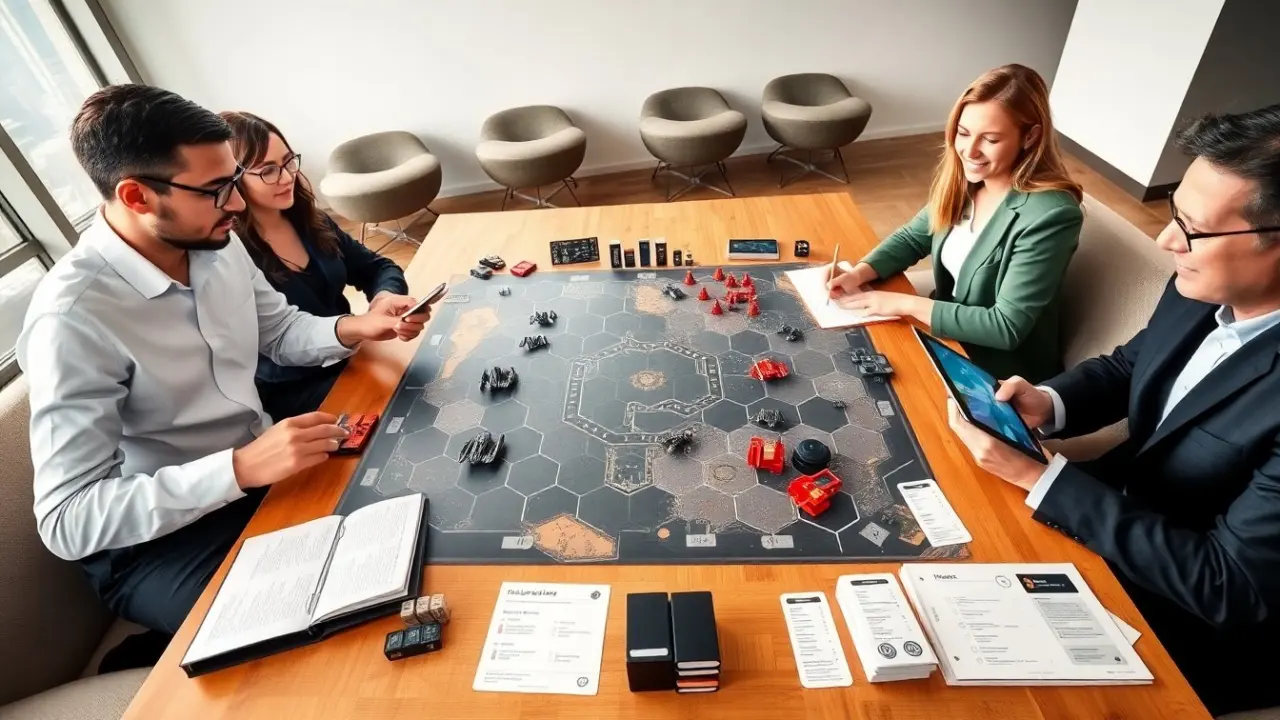
Space board games appear across many shelves and online lists in 2026. They offer varied play styles, themes, and time demands. Readers can learn how to compare options and match a game to a group’s size and taste. This guide lists core features, quick picks for groups, and clear choice rules. It aims to give enough practical guidance to pick a first title, evaluate tradeoffs between component quality and game depth, and plan a first session that highlights a group’s preferred interactions.
Key Takeaways
- Space board games excel with clear objectives, balanced chance and skill, and thematic clarity that enhances player immersion.
- Choosing a space board game depends on group size, session length, complexity preference, and budget to ensure an optimal experience.
- Strategy-focused space board games offer deep, competitive gameplay with resource management, asymmetry, and tech trees for seasoned players.
- Cooperative and casual space board games provide engaging story-driven missions and easy-to-learn mechanics ideal for mixed groups and newcomers.
- Evaluating real playtime and player interaction style helps match a space board game to your group’s dynamics and enjoyment.
- Trying or renting a space board game before purchase minimizes regret and ensures it fits your group’s taste and logistical needs.
What Makes A Great Space Board Game? Core Elements To Look For
What Makes A Great Space Board Game? Core Elements To Look For
A strong space board games design starts with clear goals. The game gives objective victory conditions that players can track. The rules stay consistent and intuitive so players can learn quickly. The components provide tactile feedback and support the theme. A good game balances chance and skill to keep outcomes fair.
Thematic clarity helps immersion. The artwork, tokens, and name support a single theme and do not confuse players. When theme and mechanics align—for example, exploration mechanics that reveal new map tiles or resource scarcity that forces hard choices—players feel the narrative consequences of their decisions. The game scales well with player count. It offers rules variants or balance tweaks for different group sizes. Replay value keeps players returning. The game includes variable elements such as modular boards, randomized encounters, or asymmetric roles that change strategy from session to session.
Player interaction matters. Some space board games emphasize trade and negotiation, encouraging table talk and alliances. Others focus on direct conflict or secret objectives that encourage bluffing and deduction. The designer should clearly state the expected level of confrontation so groups can choose a match. A helpful rulebook provides clear examples, a glossary of terms, and a short reference sheet for turns. Rules that include illustrated setup diagrams and a sample round reduce first-play friction and limit disputes.
Session length and manageability affect group choice. A long space board games campaign appeals to dedicated players who want to track progress over multiple sessions and manage persistent upgrades. Shorter games suit mixed groups and parties where commitment is limited. The box lists playtime, but reviews and playtests often report longer setup and downtime than the manufacturer suggests; looking for average reported playtime helps set expectations. The price and component quality must align with the buyer’s budget and expectations—heavy cardboard tiles, miniatures, and punchboard tokens add cost but increase tactile satisfaction, while thinner components and streamlined rules can be ideal for casual groups or travel play.
Best Picks For Different Groups: Quick Recommendations
Best Picks For Different Groups: Quick Recommendations
This section lists reliable space board games that match common player types. Each recommendation notes the main draw, typical playtime, and ideal player count. Readers can scan and pick a starting option to test with their group. Rather than naming specific products here, the following guidance helps you map features to your group’s needs so you can shortlist titles when shopping or browsing a hobby store.
For Strategy Fans: Deep, Competitive Experiences
For Strategy Fans: Deep, Competitive Experiences
An empire-building space board games title gives long-term planning and engine-building. Players manage resources, expand systems, and optimize routes. The game rewards careful planning and punishes rushed moves. A good pick for this crowd offers asymmetry so each player starts with unique strengths. Look for mechanics like technology trees, variable income sources, and long planning horizons that create meaningful choices each round.
A tactical combat space board games option focuses on positioning and fleet composition. Players plan turns and react to opponents. The rules keep combat resolution clear and consistent. Players track damage counters and shield values. The game offers scenario-based setups for varied play and often provides modular maps or mission objectives that change tactics from game to game.
A 4X-style space board games choice combines exploration, expansion, exploitation, and extermination. Players explore new tiles and claim resources. The game keeps a steady pace with phases that repeat each round. Look for titles with streamlined bookkeeping and clear phase structure to prevent analysis paralysis. Many of these games include solo rules for a single player test, and expansions can add depth without changing core rules—watch for how expansions alter setup time and table footprint before buying.
For Cooperative And Casual Groups: Story, Theme, And Ease Of Play
For Cooperative And Casual Groups: Story, Theme, And Ease Of Play
A cooperative space board games title gives shared goals and clear roles. Players handle crises, allocate actions, and manage a ticking clock. The game reduces downtime and keeps every player engaged. Cooperative designs often include escalating difficulty or an event deck that creates tension without targeting a single player. Good cooperative games include role descriptions that help newer players find tasks that fit their strengths.
A narrative-focused space board games product presents mission cards and branching outcomes. The group reads a scenario, completes objectives, and faces a conclusion. The game keeps rules minimal so the story remains central. Campaign-style narratives that track campaign state between sessions can deepen investment but also increase setup complexity; consider whether your group will commit to multiple sessions when choosing a narrative title.
A light-party space board games choice offers quick setup and easy choices. Players perform simple actions and react to card draws. The game uses bold art and clear iconography. New players can join with minimal explanation. These titles are ideal for family gatherings or mixed-age groups where play length and complexity must be kept low. They often prioritize player interaction and laughter over deep optimization.
How To Choose The Right Game: Player Count, Playtime, Complexity, And Budget
How To Choose The Right Game: Player Count, Playtime, Complexity, And Budget
Identify the typical player count first. The game lists a minimum and maximum that affect balance. Read reviews to confirm real performance at each count—some games feel best at a specific number and do not scale well despite a listed range. Some space board games work best with three to four players. Others scale to two or support five to six with added rules. Try to find detailed player-count breakdowns in reviews or play reports.
Estimate the group’s available playtime. The box lists an estimated session length. The group tests a shorter setup on the first play to confirm actual time. If sessions run long, choose a lighter game or restrict setup options. Consider whether you want a single-session experience or a campaign that spans multiple meetings—campaigns require storage for components and a reliable group schedule.
Match complexity to the group’s appetite. A heavy rule set demands focus and can slow casual players. A medium-complexity space board games title offers decision depth without long reference checks. Look for games that provide player aids, streamlined bookkeeping, and clearly written rulebooks with examples. If your group dislikes extensive rules reference during play, prioritize titles with clean iconography and a short rulebook.
Set a clear budget. Higher price often buys stronger components and expansions. Budget picks can still deliver great design and theme. Check secondhand markets for out-of-print space board games. Compare component quality, rule clarity, and replay value before buying. Factor in potential expansion costs if you think you might want to grow the game later—some expansions dramatically change the experience and require additional time commitments.
Try before a major purchase. Borrow a title from a friend, rent from a local game cafe, or watch a full playthrough online. The group notes which mechanics excite them. Take a practice session to test table setup, turnaround time between turns, and how much bookkeeping players are comfortable with. The group buys a game that matches its player count, time limits, complexity tolerance, and budget. This process reduces buyer regret and helps the group enjoy space board games with confidence.