Space opera books deliver large-scale plots, fast action, and big characters. They ask readers to follow wars, empires, and daring missions across stars. This guide explains what space opera books do, how readers should start, and which titles they should try in 2026. It aims to guide readers quickly and clearly so they can pick the right epic next, whether they want something punchy and self-contained or a long, immersive series.
Key Takeaways
- Space opera books feature grand-scale conflicts across star systems with heroic to grim tones and fast-paced, cinematic storytelling.
- New readers should choose space opera titles based on style, length, and voice that match their mood and available reading time for the best experience.
- Classic space opera books like Dune, Foundation, and The Stars My Destination provide essential insights into the genre’s themes, plotting, and scale.
- Modern space opera trends include greater cultural diversity, genre blending, and sharper character focus within epic storylines.
- Readers can explore a mix of classics, recent hits, and hidden gems to discover the broad scope and emotional payoffs of space opera books.
- The growing popularity of space opera is supported by publishers and adaptations, offering more flexible formats and diverse voices in 2026.
What Is Space Opera? A Quick Guide To Scope, Tone, And Stakes
Space opera books place conflict on a grand scale. They present empires, fleets, and decisive battles. They use high stakes to push characters into bold choices. The tone often ranges from heroic to grim, but it stays cinematic. Readers find fast pacing, clear goals, and dramatic reveals. The setting often spans star systems and centuries. The genre blends adventure, politics, and personal drama. Fans seek spectacle, strong voice, and clear momentum. New readers should expect broad scope, strong stakes, and emotional payoffs.
Beyond spectacle, space opera often foregrounds ideas about governance, identity, and technology. Worldbuilding can be expansive—multiple planets, political systems, and social orders can all influence plot and character decisions. Because many stories operate at both personal and civilizational scales, a single action can have ripple effects across worlds or centuries. That combination of intimacy and scale is a hallmark: the reader cares about individual people while tracking vast, often violent shifts in the setting.
How To Choose Your First Space Opera — Picking Style, Length, And Voice
Readers should match style to mood. They should pick tone, then pick length. Short standalones offer quick payoff. Long series offer deeper worldbuilding. Readers who want action should pick direct prose and tight chapters. Readers who want politics should pick layered plotting and many POVs. Voice matters. A witty narrator changes pacing. A solemn voice deepens theme. Consider sample chapters before buying. Check pacing, character count, and setting clarity. They should start with a title that fits available time and taste.
More practical tips: if you prefer character-driven work, look for books that foreground a small cast and internal stakes even within big events. If you want sprawling epic scope, choose multi-book series or single novels noted for dense worldbuilding. For busy schedules, opt for standalones or the first book of a series with clear entry points. Also pay attention to the prose style—some space operas are lean and propulsive, others luxuriate in description. Reviews and publisher blurbs can indicate whether a book emphasizes spectacle, politics, mystery, or romance alongside the science-fiction elements.
10 Must-Read Space Opera Books To Start With
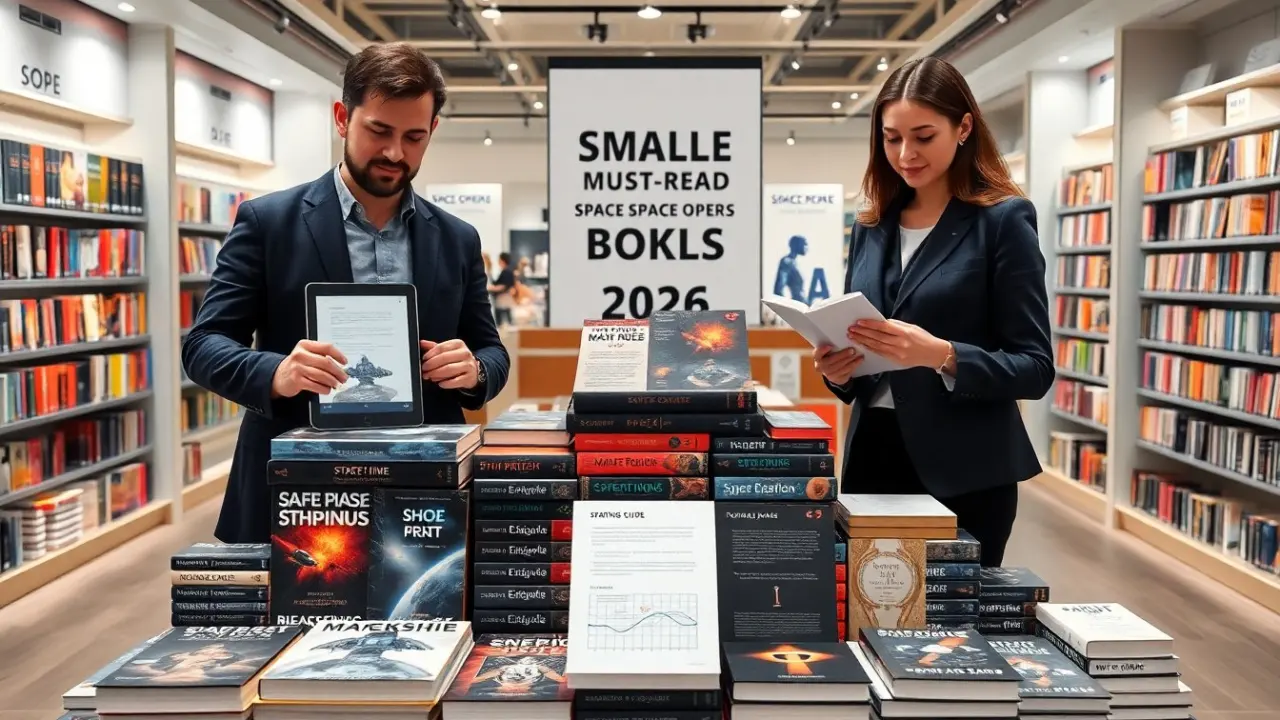
This list gives a balanced entry set. It mixes classics, recent hits, and hidden gems. Each pick shows a different side of the genre. Readers can sample a variety before committing to long series. The entries below aim to show scope, tone, and craft in space opera books.
Classic Essentials — Foundational Space Operas Everyone Should Read
- Dune by Frank Herbert. This book blends politics, ecology, and epic conflict and shaped many space opera books that followed. It’s useful for readers who want world-spanning intrigue and deep thematic layers.
- Foundation by Isaac Asimov. A study in grand history and strategy, useful for readers interested in long-range plotting and the mechanics of empire and decline.
- The Stars My Destination by Alfred Bester. A stylistically bold, character-driven tale that demonstrates how intense personal motives can drive a plot on an operatic scale.
Modern and Accessible Picks — Contemporary Gateways
- Leviathan Wakes by James S. A. Corey. A solid gateway with fast pacing and a mix of noir, mystery, and large-scale conflict—good for readers who like alliance and conspiracy plots.
- Ancillary Justice by Ann Leckie. Noted for its unique treatment of identity and AI, and for showing how intimate character focus can work inside a huge political framework.
- Hyperion by Dan Simmons. A layered, multi-POV novel that blends pilgrimage, mystery, and epic stakes—a good choice for readers who enjoy literary allusion alongside spectacle.
Hard-SF and Space-Scale Epics
- Revelation Space by Alastair Reynolds. For readers who want dense science and long-term consequences across interstellar timeframes.
- Old Man’s War by John Scalzi. Combines brisk pacing and military action with humane character work—accessible and energetic for new readers.
- A Memory Called Empire by Arkady Martine. Emphasizes politics, cultural contact, and the costs of empire—a contemporary example of political space opera with strong character stakes.
Where Space Opera Is Headed In 2026 — Trends, Diverse Voices, And Crossovers
Writers now expand viewpoint and setting in space opera books. They include more varied cultures and politics. They blend genre elements, mixing mystery, horror, and romance into epic frames. Publishers invest in series with clear hooks and strong character arcs. Readers demand diversity in background and outlook. Audio and screen adaptations push some titles to wider audiences. Independent presses try bolder voices and short standalone epics. The trend moves toward flexible formats and sharper character focus in large-scale plotting.
Looking ahead to 2026, expect continued cross-pollination: space opera will increasingly intersect with crime fiction, literary fiction, and speculative social commentary. Editors are open to voices that upend traditional imperial narratives and foreground marginalized perspectives. Short-form and serialized releases—novellas and episodic structures—are also becoming more common, providing entry points for readers who want nimble, smaller-scale stories that still deliver operatic stakes. For readers, this means a broader set of tonal choices and more opportunities to find space opera books that align with specific interests in character, politics, or pure adventure.