A player needs dwarf clan names for a new campaign and finds only generic fantasy lists. Quick answer: join a stone, metal or forge word to a trade, tool or body word, keep the sounds hard, and say the result aloud.
If the name is for an online group rather than a dwarf hold, Good Clan Names: 100 Creative Ideas And How To Choose The Perfect One In 2026 – Spacemisfits covers clan naming in general. Once the name is settled, our advice on how to find a gaming community helps you put it to use, and how to find people to play games with helps if you still need a table.
What makes a good dwarf clan name
A good dwarf clan name sounds old, plain and weighty. Dawnfist’s dwarven name table describes dwarven names as strong, direct and weighty, and says a good one feels grounded and practical while still carrying a hint of myth and legend. That description rules out long, flowery constructions and favours a word or two that a player can picture at once.
The name also has a job to do. LitRPG Reads argues that a clan title is more than a label: it marks a clan’s lineage, skills and accomplishments. RollRewind’s dwarf name notes go a step further and suggest treating the clan name as the dwarf’s first answer to “who are you?”. Clan names typically point to a craft specialty, a mountain stronghold or a legendary ancestor’s deed, so the best ones hand the table one usable fact.
Several common assumptions get in the way of that. The table below sets them against what the naming evidence supports.
| Common assumption | What holds up | Planning use |
|---|---|---|
| Dwarf names should look ornate and exotic | Dwarven names tend to be strong, direct and weighty, grounded and practical with a hint of myth. | Choose plain, concrete words and let a single detail carry the legend. |
| Tolkien invented the dwarf name stock | Nearly every dwarf name in Tolkien’s works, the Lord of the Rings dwarves included, comes from the Dvergatal in the Prose Edda. | Borrow the Norse-leaning sound instead of lifting a famous name wholesale. |
| Every dwarf society names its people alike | A mountain kingdom, a wandering clan and a fallen holdfast might all use slightly different naming styles. | Decide which society the clan belongs to before choosing words. |
| Norse flavour is the only dwarf sound | Conventions are rooted in Old Norse and Germanic traditions, yet hill dwarf names may bring in more Anglo-Saxon elements and deep dwarves can sound harsher. | Use regional flavour to tell neighbouring clans apart. |
The tone and society points come from Dawnfist’s dwarven names table, and the Tolkien, Norse and regional points come from the ShyEditor dwarf name generator notes.
With the idea of a name that works hard established, the next question is what the parts of such a name actually look like.
Prefixes, endings and sound patterns
Dwarf clan names lean on compound words more than on a fixed prefix list. RollRewind describes clan names as English compounds: a stone, metal or forge word followed by a trade, tool or body word, as in Anvilmantle or Coalhewer. Given names work differently, so the parts are best kept in separate piles.
- Opening element: a stone, metal or forge word. ShyEditor lists forge, anvil, hammer, stone, iron, deep and gold as the building blocks of compound surnames.
- Closing element: a trade, tool or body word, such as the hewer in Coalhewer or the mantle in Anvilmantle. Dawnfist’s sample rows show the same habit in surnames like Stonebreaker, Ironfoot, Fireforge and Steelbender.
- Hard-stop onsets: RollRewind builds dwarf given names from the hard stops b, d, g, k and t, with clusters such as br, dr, gr and thr. Opening a clan name with the same sounds keeps it in the same voice as its members.
- Masculine given-name endings: -in, -ak, -or, -rik, -dur, -orn and -un.
- Feminine given-name endings: -ra, -hild, -eth, -unn, -run and -da.
The endings belong to personal names, so attach them to the people in the clan rather than to the clan name itself. The heritage behind these sounds explains why they work: ShyEditor traces dwarven conventions to Old Norse and Germanic traditions that favour blunt monosyllables and hard stops. Short, hard words also survive being shouted across a table, which is the practical reason to keep each half of a compound to one beat.
Ready dwarf clan names by theme
LitRPG Reads sorts clan titles into four themes: occupational, geographical, trait-based and ancestor-based. Its d20 table of occupational titles includes Clan Stoneforge and Clan Ironbraid. The groups below follow the same four themes and use the name parts above. Copy any name as it stands, or swap halves to make a variant.
Occupational names
These suit clans known for a craft, and they work like guild marks: the name tells everyone what the clan does.
- Smithing and metal: Stoneforge, Ironbraid, Anvilmantle, Ironwright, Forgewright, Steelbender, Bladebinder, Hammerhand, Chainbinder, Rivetmaster.
- Mining and stone: Coalhewer, Orehand, Pickhewer, Stonecarver, Masonhand, Quarrymaster, Tunnelwright, Smeltwatch, Lampwright, Axegrinder.
- Fine crafts and hall trades: Goldweave, Gemcutter, Brewmaster, Silversmith, Bellmaker, Lockbender, Wheelwright, Glassmolder, Kegwright, Cindertongs.
Geographical names
Choose these when the clan is tied to a stronghold, and keep the place consistent with your map.
- Deep and underground: Deepdelve, Underpeak, Undervein, Deepbarrow, Nightshaft, Borehollow, Cinderdeep, Underhearth, Pitwatch, Tunnelborn.
- Mountain and ridge: Ironspire, Highcrag, Blackridge, Frostbar, Redscarp, Graniteholt, Stonegate, Flintvale, Stoneglen, Gravelmoot.
- Caverns and glow: Cavermantle, Hollowkeel, Riftstone, Gloomridge, Saltvein, Ashcavern, Crystalhall, Glimmerfall, Embervein, Moltenroot.
Trait-based names
These describe how the clan looks, fights or behaves, which makes them easy to remember and easy to roleplay.
- Beard, brow and fist: Stonebeard, Steelbrow, Granitefist, Pebblefist, Coalbraid, Mossbraid, Battlebraid, Warbeard, Flintfoot, Tinkerfoot.
- Arms and armour: Ironhelm, Oakshield, Broadaxe, Shieldborn, Hornbreaker, Stoneguard, Runehelm, Frostguard, Spearhand, Rootshield.
- Temperament: Brightcoal, Stonewhistle, Ironmirth, Emberkeg, Pickstride, Runegrit, Bitteranvil, Oakgrin, Lanternvein, Hearthsong.
Ancestor-based names
Use these for noble lines, oath-bound houses and any clan whose story begins with a deed.
- Lineage and heirs: Stoneheir, Axeheir, Elderforge, Firsthammer, Lastanvil, Highstone, Truebraid, Oldhall, Primevein, Hearthline.
- Crown and hold: Goldmantle, Kingshaft, Crownbar, Honorhold, Silvercrest, Stonemantle, Hearthguard, Emberhold, Thunderhall, Grayvein.
- Deed and oath: Hammerfall, Anvilborn, Deepforge, Oathanvil, Doorholder, Stonekeeper, Songkeeper, Gravewarden, Runekeeper, Lampbearer.
If none of these fits exactly, the same parts can be recombined, which is the method in the next section.
Building your own dwarf clan name
Building a name from parts takes a few minutes and gives you a name that fits your setting rather than a stranger’s. Dawnfist encourages exactly this: mix first names and surnames, tweak spellings, or adapt names to your setting’s version of dwarves. Follow the steps in order.
- Pick the society. Decide whether the clan belongs to a mountain kingdom, a wandering band or a fallen holdfast, because Dawnfist notes these may each use a slightly different naming style.
- Pick the theme. Choose between craft, place, trait and ancestor. This sets what the name will tell the table.
- Choose the opening element. Take a stone, metal or forge word, such as stone, iron, anvil, forge, deep or gold.
- Choose the closing element. Add a trade, tool or body word that matches your theme: a craft for an occupational name, a body part for a trait.
- Test the sound. Say the name aloud. Favour hard stops and clusters such as br, dr, gr and thr, and drop any awkward stack of consonants.
- Add people. Pair surnames with given names, as Dawnfist’s sample results do with Durin Stonebreaker, Bruni Ironfoot, Balin Fireforge and Katla Steelbender.
- Check the meaning. Ask whether the name reflects the lineage, skills and accomplishments the clan has in its history. If a name promises a forge but the clan has never owned one, change one half.
A name built this way carries its own backstory, which is what makes it useful at the table.
Using dwarf clan names in a D&D campaign
For Dungeons & Dragons, match the theme to the role the clan plays in the story. Occupational names suit smith and mason clans that players may trade with or work for, much like guilds. Geographical names suit a clan with a stronghold on your map. Ancestor names suit noble houses and quest hooks, while trait names suit sworn bands that travel with the party.
Individual dwarves can also carry a deed name alongside the clan name. RollRewind’s dwarf name generator, which includes clan names for D&D characters, offers epithets such as “the Twice-Buried”, “Lamp-Bearer” and “Who Held the Ninth Door”. Because dwarves often lead with the clan name when introducing themselves, putting the clan first and the deed second gives a quick, memorable introduction.
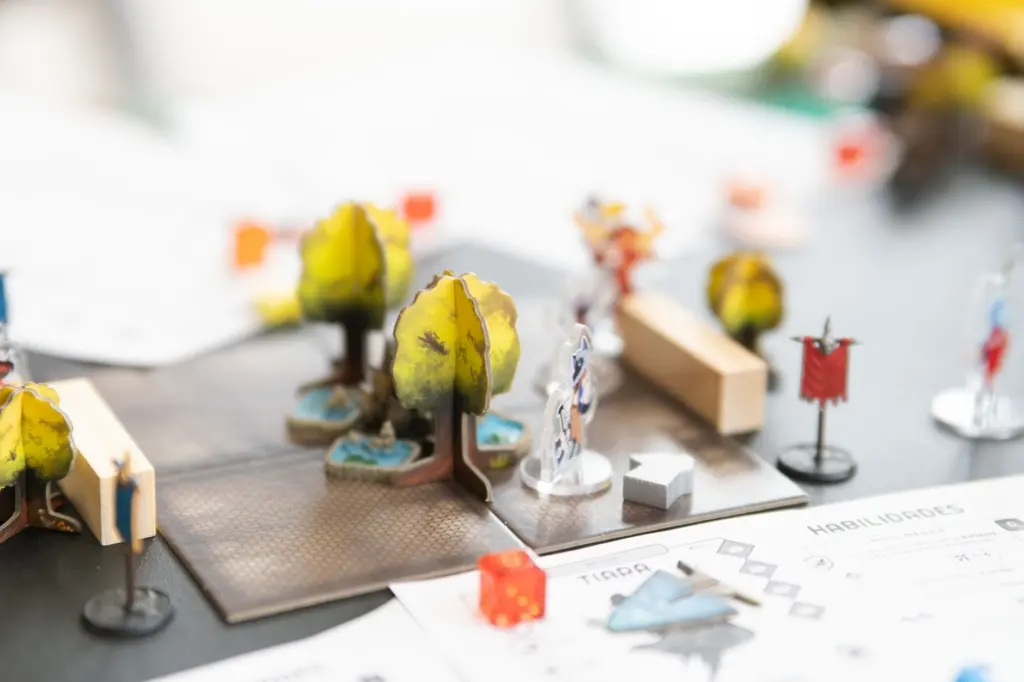
Keep the names in play distinct from one another so players can tell clans apart by ear, and let each clan name hint at something the table can learn through play, such as a trade, a place or an old deed.
Frequently asked questions
| Question | Answer |
|---|---|
| How can I pick a dwarf name at random? | Use a dice table. Dawnfist’s D66 table works by rolling 2D6, with one die as the tens digit and the other as the ones digit, and it holds 72 names split evenly between male and female. LitRPG Reads offers a d20 table of occupational clan titles for a quick single-die roll. |
| How do I pronounce dwarf names? | According to RollRewind, thr sounds as in throne, g is hard, and the stress falls on the first syllable. Dwarven names rarely need more help than that. |
| Are mountain and hill dwarf naming styles official? | No. RollRewind frames its mountain and hill flavour suggestions as ideas for your own world, not canon from any book, so treat them as a way to separate clans rather than a rule. |
| Can I mix and adjust the names above? | Yes. Dawnfist says you can mix first names and surnames, tweak spellings, or adapt names to suit your setting’s version of dwarves. |